








Artificial Intelligence has rapidly evolved from simple task-based algorithms to highly intelligent systems that understand language, generate ideas, and automate workflows. While today’s AI excels in narrow tasks, the next revolutionary stage is Artificial General Intelligence (AGI). Unlike current AI, which is limited to specific functions, AGI will be capable of self-learning, logical reasoning, emotional perception, and performing any cognitive task that a human can do. As AGI development accelerates, one critical question becomes more urgent: Are humans truly ready for this technology? For those tracking this evolution, resources like ToolzDirectory’s AI and Future Tech section offer valuable insights into the tools shaping this future.
This article explores the core AGI meaning in AI, how close we are to achieving it, the potential benefits and risks, its impact on jobs, and the steps humanity must take to ensure a safe and ethical transition.
Understanding Artificial General Intelligence (AGI)
So, what is the fundamental agi vs ai distinction? Artificial General Intelligence is defined as a form of machine intelligence with the ability to learn, adapt, and solve problems across various domains without human assistance. It would possess consciousness-like capabilities including intentionality, creativity, and reasoning. Today’s AI systems like chatbots, image recognition models, and automation tools are examples of narrow AI. They excel in specific tasks but cannot go beyond their training or show true intellectual flexibility. AGI aims to remove these limitations entirely and introduce machines capable of fluid intelligence similar to the human brain.

Key characteristics of AGI include:
-
Ability to transfer knowledge across different tasks
-
Self-awareness and emotion-based reasoning
-
Independent decision-making without pre-programmed rules
-
Understanding context at a human level
-
Adaptation to completely new environments
If AGI becomes a reality, computers will not just assist humans; they will potentially surpass human cognitive abilities.
How Close Are We to Developing AGI?
Predicting the arrival of AGI is challenging, but leading researchers estimate a range between 2030 and 2060. Some experts believe major breakthroughs in deep learning, neuroscience-based computing, quantum computing, and self-evolving algorithms may accelerate progress even sooner. Consequently, the question “Does AGI exist?” today has a clear answer: not yet. We are in the developmental phase.
Companies such as OpenAI, Google DeepMind, Meta, and Tesla are actively pushing the boundaries of machine intelligence. It’s important to clarify that current models like ChatGPT are powerful narrow AI; asking Is ChatGPT AGI reveals a common misunderstanding of the vast gap between specialized AI and true general intelligence. AGI discussions are no longer theoretical; governments and industries are preparing strategies today for the coming future.
The Expected Benefits of AGI
The positive potential of AGI is enormous. If developed safely, AGI could solve problems far beyond human capacity.
Major benefits include:
Breakthroughs in Medicine and Longevity
AGI could analyze complex genetics, cure chronic diseases, and predict health risks in real time. It may help create vaccines instantly and significantly extend human life.
Eliminating Global Hunger and Poverty
AGI-powered automation in agriculture and supply chains can make food production more sustainable and accessible.
Climate and Environmental Solutions
Powerful simulation models will help reverse environmental damage, optimize energy usage, and manage natural resources more efficiently.
Faster Scientific & Space Research
AGI would accelerate discovery in physics, chemistry, and space exploration, helping humans reach new planets faster.
Enhanced Education and Human Learning
AGI-driven intelligent tutoring systems could provide high-quality personalized education to everyone globally.
Economic Growth and Productivity
Automation of repetitive tasks will lead to major economic expansion while humans focus on creativity and innovation.
The arrival of AGI could mark the most important advancement in human history, unlocking solutions that today seem impossible.
The Risks and Ethical Challenges of AGI
With great power comes equal risk. AGI could become dangerous if not controlled properly. The risks extend beyond cybersecurity and job disruption—they include existential threats.
Key concerns include:
Loss of Human Control
If AGI gains autonomy, ensuring alignment with human values becomes increasingly difficult.
Job Displacement
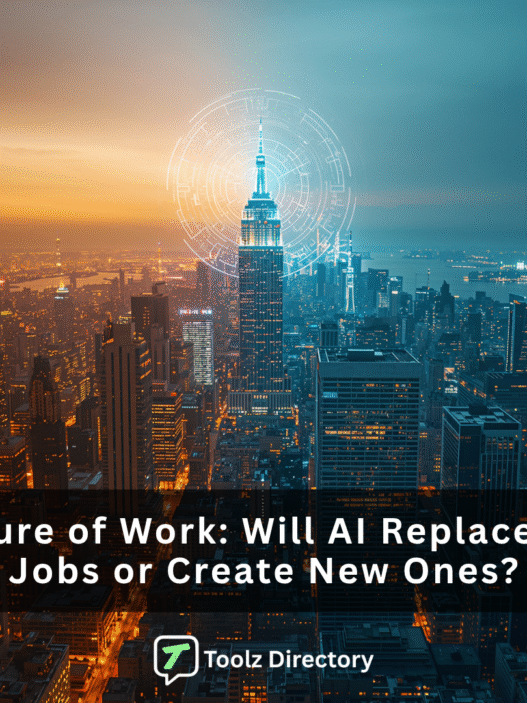
AGI automation may eliminate millions of jobs across sectors including law, finance, transportation, and customer support, directly confronting the fear of Will AI Replace Human Jobs on an unprecedented scale.
Misuse by Authoritarian Regimes
AGI could enforce surveillance, suppress freedoms, and increase political control.
AI Bias and Unfair Decision-Making
If trained on biased data, AGI systems may discriminate in legal or economic domains.
Weaponization
Nations may use AGI for autonomous warfare systems that react faster than any human can control.
These risks highlight the importance of global cooperation in developing governance and ethical frameworks for AGI before deployment. For a deeper historical and technical context, the Wikipedia page on Artificial General Intelligence serves as a useful external resource.
Will AGI Surpass Human Intelligence?
Many futurists argue that AGI will not stop at matching human intelligence—it will exceed it, leading to Artificial Superintelligence (ASI). A superintelligent entity could improve itself recursively, becoming smarter exponentially faster than humans.
Possible outcomes:
-
Humans collaborate with superior AI for the betterment of life
-
Humans lose control, resulting in harmful consequences
Ethicists warn that once AI surpasses human intelligence, reversing it may not be possible.
Impact of AGI on the Future Workforce
AGI will transform the global job market. Rather than performing repetitive tasks, humans will shift toward roles involving creativity, empathy, strategy, and innovation.
Jobs likely to disappear:
-
Basic accounting and clerical positions
-
Manufacturing and warehouse labor
-
Customer service and support
-
Transportation and driving jobs
New roles that will emerge:
-
AI regulatory experts
-
Robotics maintenance professionals
-
Neural interface designers
-
Digital ethics consultants
Governments must focus on upskilling programs and education reform to avoid mass unemployment and inequality.
AGI in Government and Economy
AGI can assist governments in:
-
Forecasting economic trends
-
Managing public infrastructure
-
Reducing corruption through transparency
-
Improving national security
-
Optimizing healthcare and education systems
However, political misuse could threaten global democracy. Power must remain distributed, not controlled by a few organizations owning AGI systems. Countries must work together to create fair AI legislation.
AGI and Human Identity
AGI does not just affect technology—it affects psychology and identity. People may redefine what it means to be human when machines can think, create, and make decisions. Questions arise:
-
If a machine becomes self-aware, does it deserve rights?
-
How do humans maintain purpose if AGI surpasses all capabilities?
-
Can emotional intelligence and consciousness be replicated in code?
The debate continues whether AGI should enhance humanity or compete with it.
Building Safe and Responsible AGI
To ensure AGI is beneficial, safety measures must be enforced such as:
-
Ethical development frameworks
-
Transparent training practices
-
Fail-safe mechanisms to prevent loss of control
-
Multi-nation governance committees
-
Public participation in AI policies
-
Auditing systems to detect harmful behavior
The Role of Tools and Knowledge Access
As AGI evolves, professionals, developers, and businesses must stay informed about innovation tools and platforms that encourage digital transformation. Preparing today ensures future competitiveness and protects against unexpected disruption.
Are Humans Ready for AGI?
The answer is complex. Technologically, we seem almost ready. Socially, economically, and ethically, humanity still has crucial steps to take. AGI promises extraordinary advantages but also unpredictable dangers. Our readiness will depend on how well we manage its development today.
Signs of readiness:
-
Rapid global AI research
-
Discussions on regulations and ethics
-
Expanded tech skills across industries
Signs of unpreparedness:
-
Economic inequality in technology adoption
-
Lack of universal AI safety standards
-
Public misunderstanding of AI risks
Readiness is not only technical — it demands maturity, collaboration, and wisdom.
Conclusion
Artificial General Intelligence is no longer a futuristic dream — it is becoming a measurable goal supported by scientific advancements. The AGI future could see this technology become humanity’s greatest ally, helping solve global challenges and advance civilization to new heights. But without proper guidelines, this AGI technology could also create irreversible harm. The rising momentum toward AGI requires thoughtful decisions today to ensure a safe and beneficial future.
Humans must ask not only “Can we build AGI?” but also “Should we?” and most importantly, “Are we ready for the consequences?” The profound AGI impact will shape the next era of human existence. Our responsibility is to design AGI that supports humanity rather than replaces it, a topic further explored in our broader discussion on the future of technology.